
No trip to Paris is complete without a visit to the Louvre, home to some of the world's most famous art and artifacts. Immerse yourself in the rich history and cultural treasures of this iconic museum, and be sure to pay a visit to the enigmatic Mona Lisa, a masterpiece shrouded in mystery.
The Louvre, one of the world's largest and most renowned museums, is a treasure trove of art, history, and culture. Originally built as a fortress in the late 12th century under the reign of King Philip II, the Louvre was subsequently expanded and transformed into a royal palace during the 14th century. The museum as we know it today began to take shape in the late 18th century, when King Louis XVI and his wife, Marie Antoinette, were forced to leave the palace due to the French Revolution. In 1793, the Louvre opened its doors to the public, showcasing a collection of artwork and artifacts that had once belonged to the French monarchy and the Catholic Church. Over the centuries, the Louvre has continued to expand and evolve, and it is now home to over 380,000 objects and 35,000 works of art, spanning from prehistory to the 21st century.
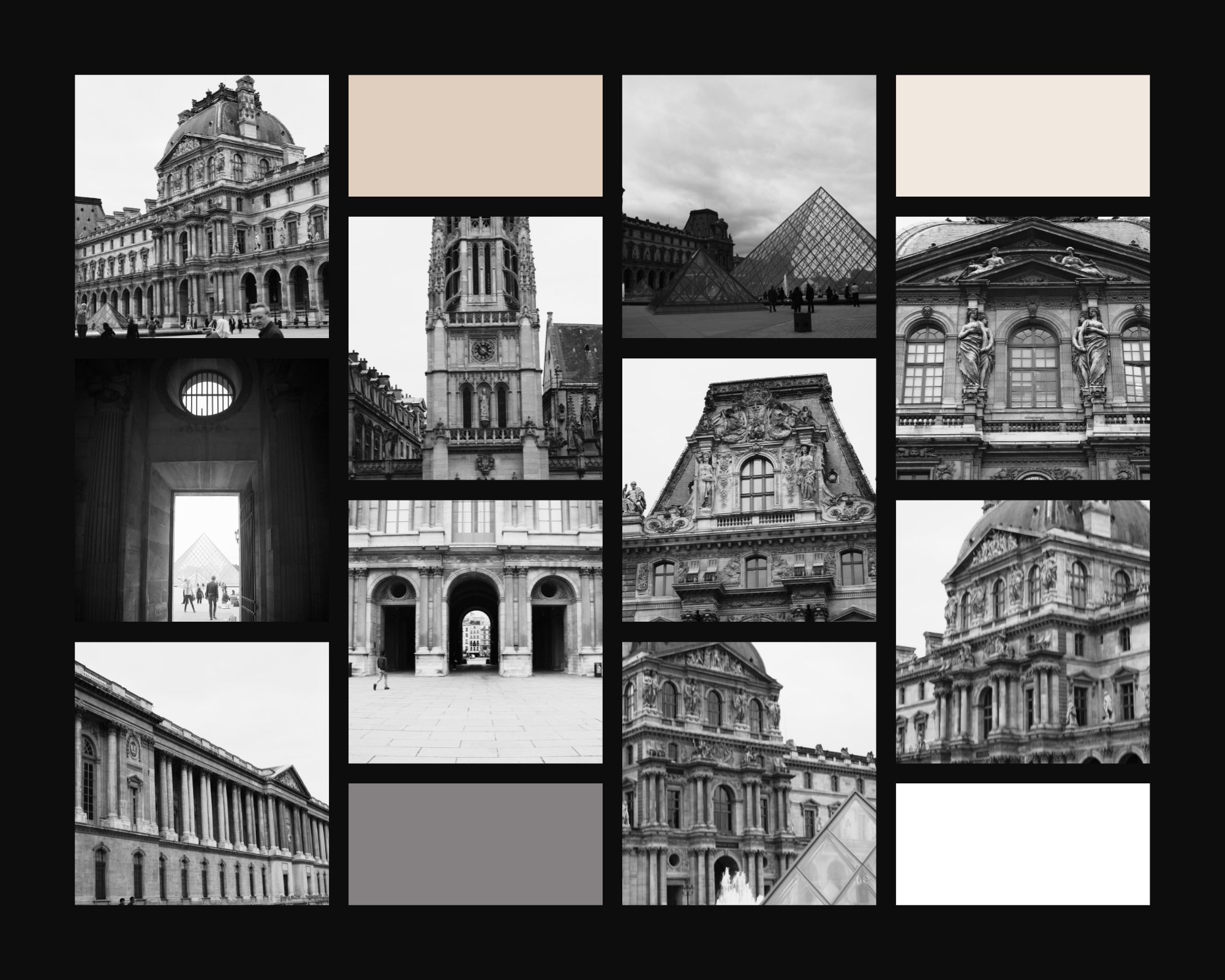
The Louvre's vast collection is steeped in history and mystique, with countless fascinating stories and legends surrounding its most famous works. One of the most intriguing tales involves the museum's iconic masterpiece, the Mona Lisa. Painted by Leonardo da Vinci in the early 16th century, the enigmatic portrait has long captivated audiences with her enigmatic smile and mysterious past. The painting is said to be haunted by the spirit of its subject, Lisa Gherardini, who is rumored to come to life at night and roam the halls of the Louvre. Another mystical anecdote involves the ancient Egyptian statue known as the "Scribe Seated," which is believed to possess the power to grant wishes. Visitors to the Louvre have been known to leave offerings and notes at the base of the statue, hoping to invoke its magical powers. From the secrets of the Mona Lisa to the mystical allure of ancient artifacts, the Louvre offers a wealth of captivating stories and hidden treasures for visitors to discover and explore.
Finding Serenity in the Jardin des Tuileries, nestled between the Louvre Museum and the Place de la Concorde, is a sprawling, historic garden with a rich history that dates back to the 16th century. Originally created as a royal garden by Catherine de' Medici, the wife of King Henry II of France, the garden was later redesigned by famed landscape architect André Le Nôtre in the 17th century. Le Nôtre's vision transformed the Tuileries into a symmetrical masterpiece of French formal gardens, complete with meticulously manicured lawns, geometric flowerbeds, and perfectly aligned rows of trees. As a testament to its historical and cultural significance, the Jardin des Tuileries was classified as a UNESCO World Heritage site in 1991, along with the rest of the Banks of the Seine.
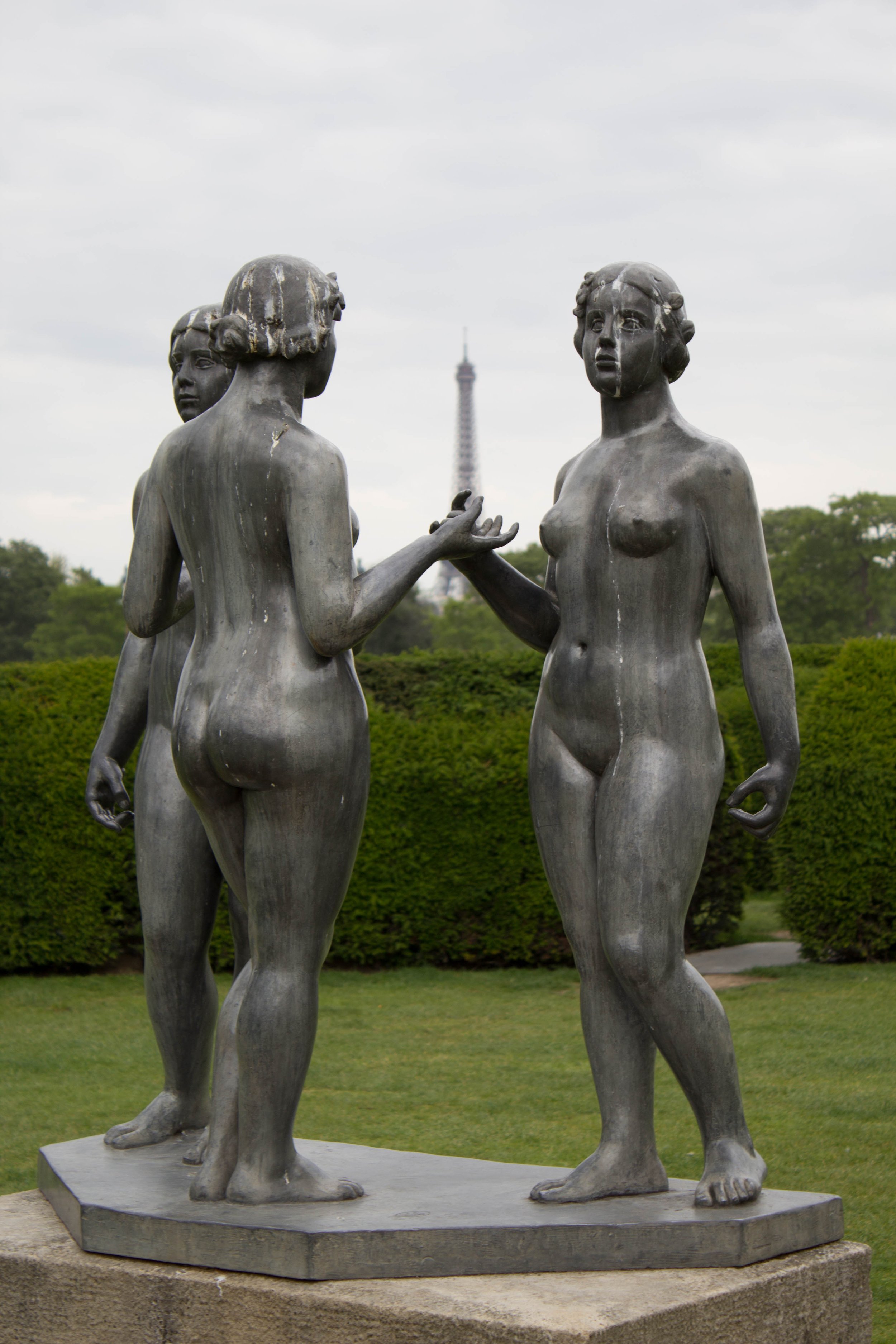
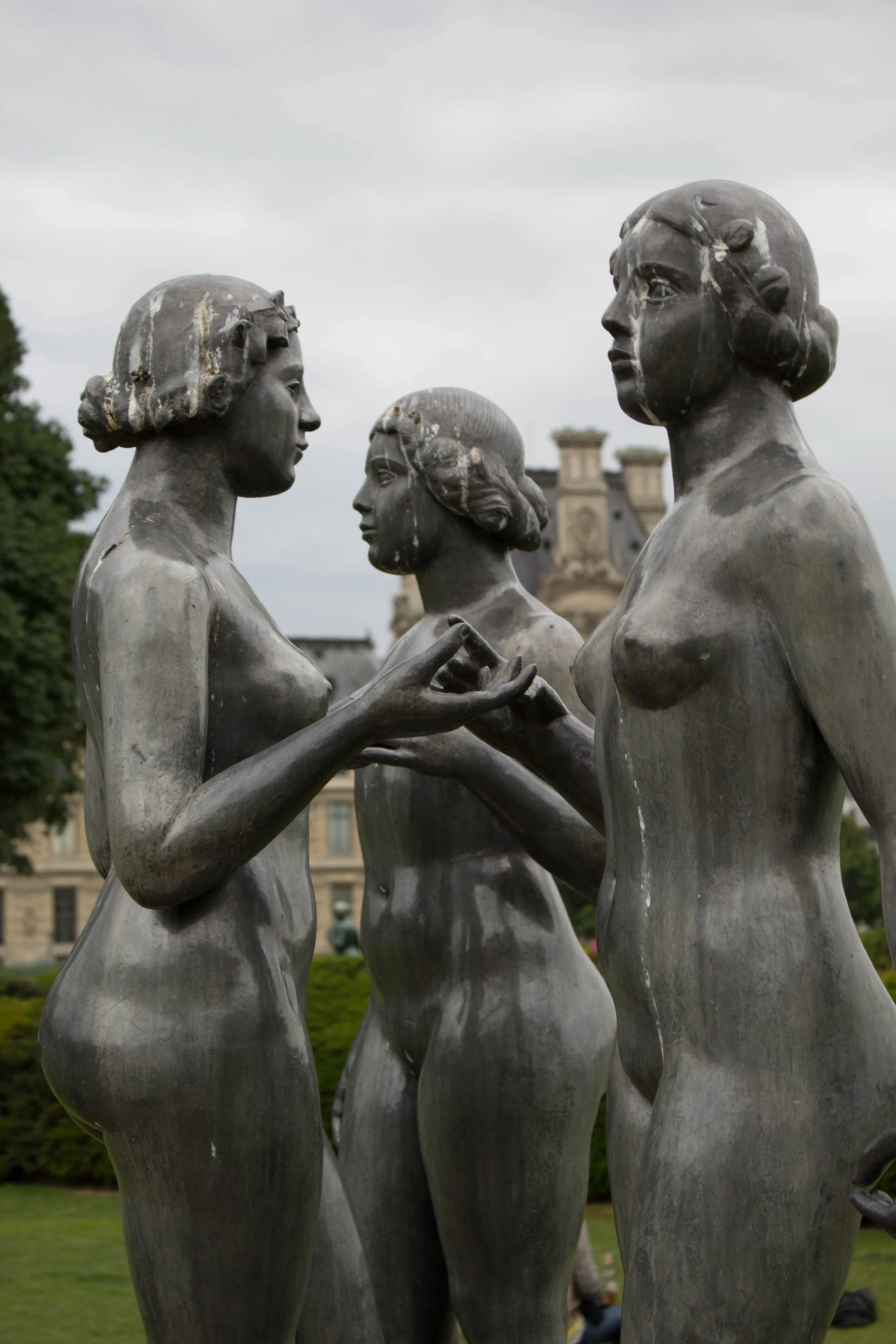
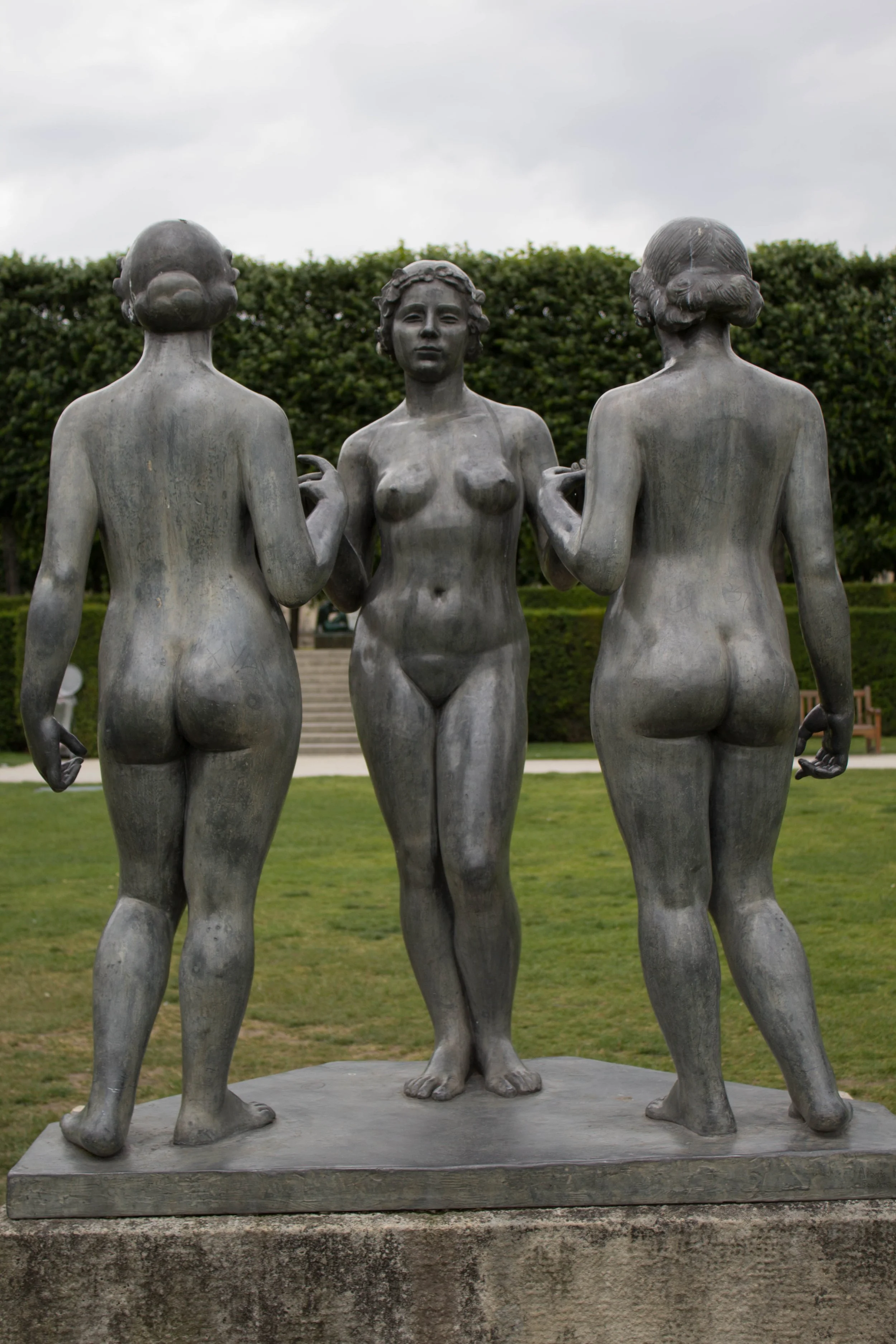
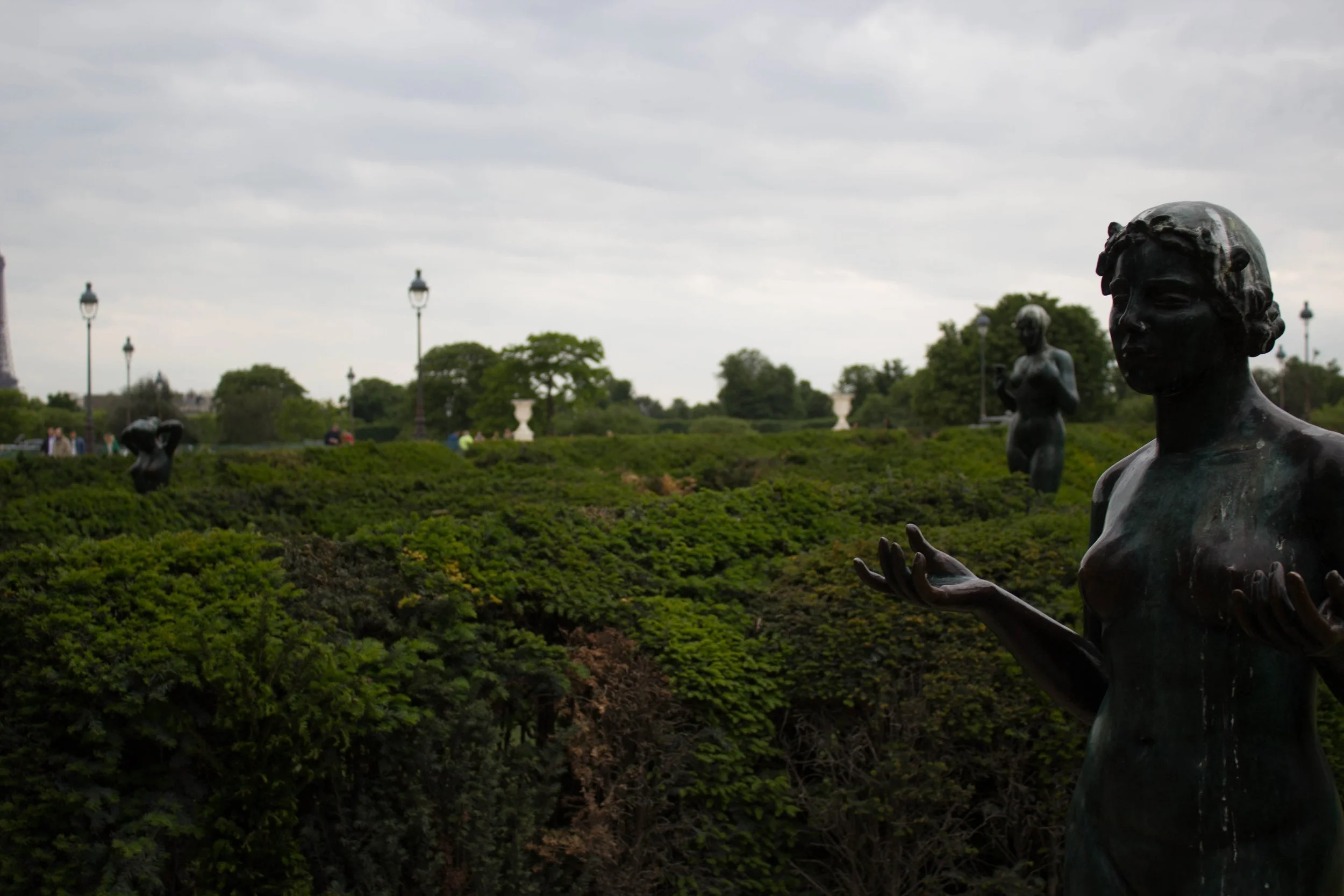
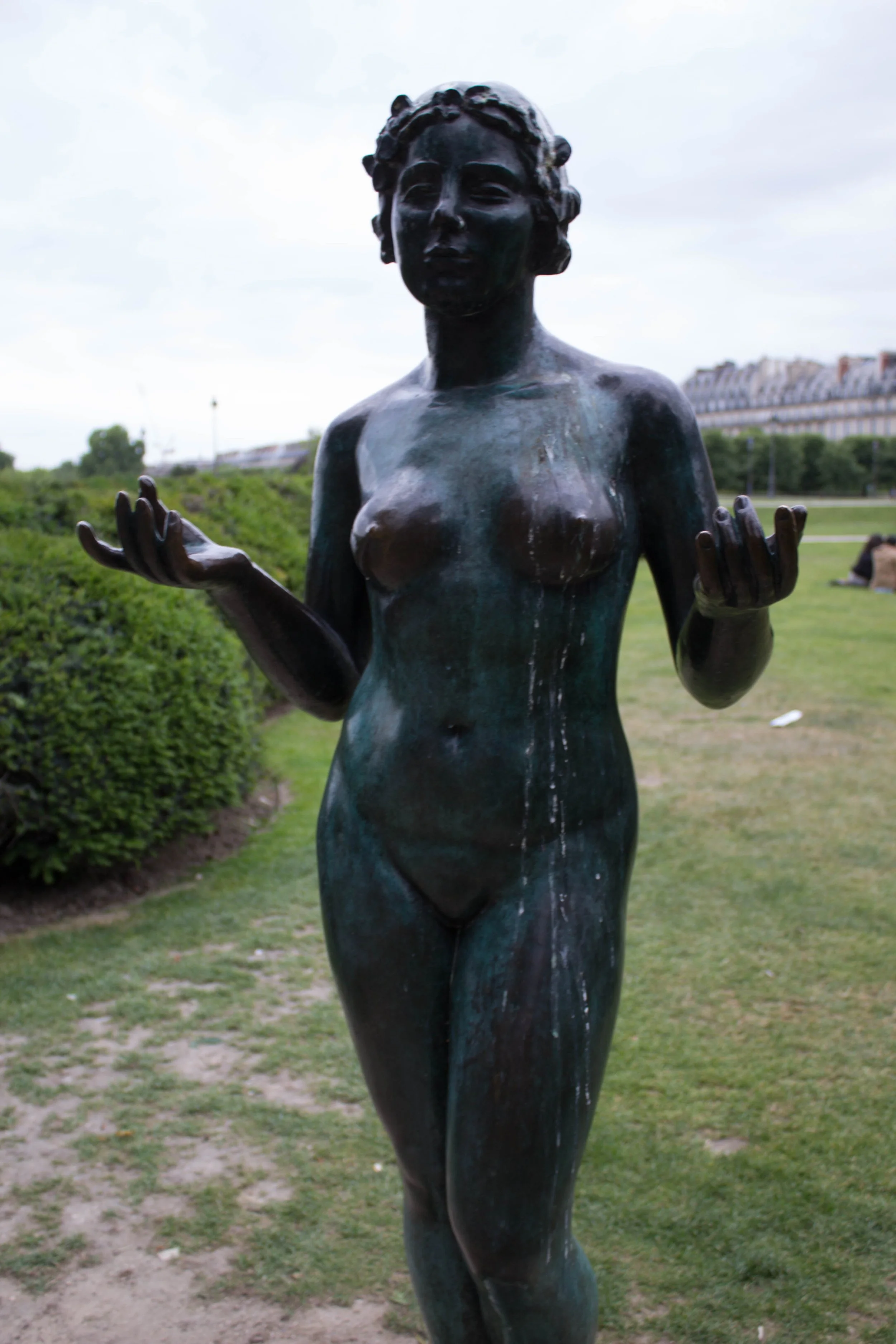
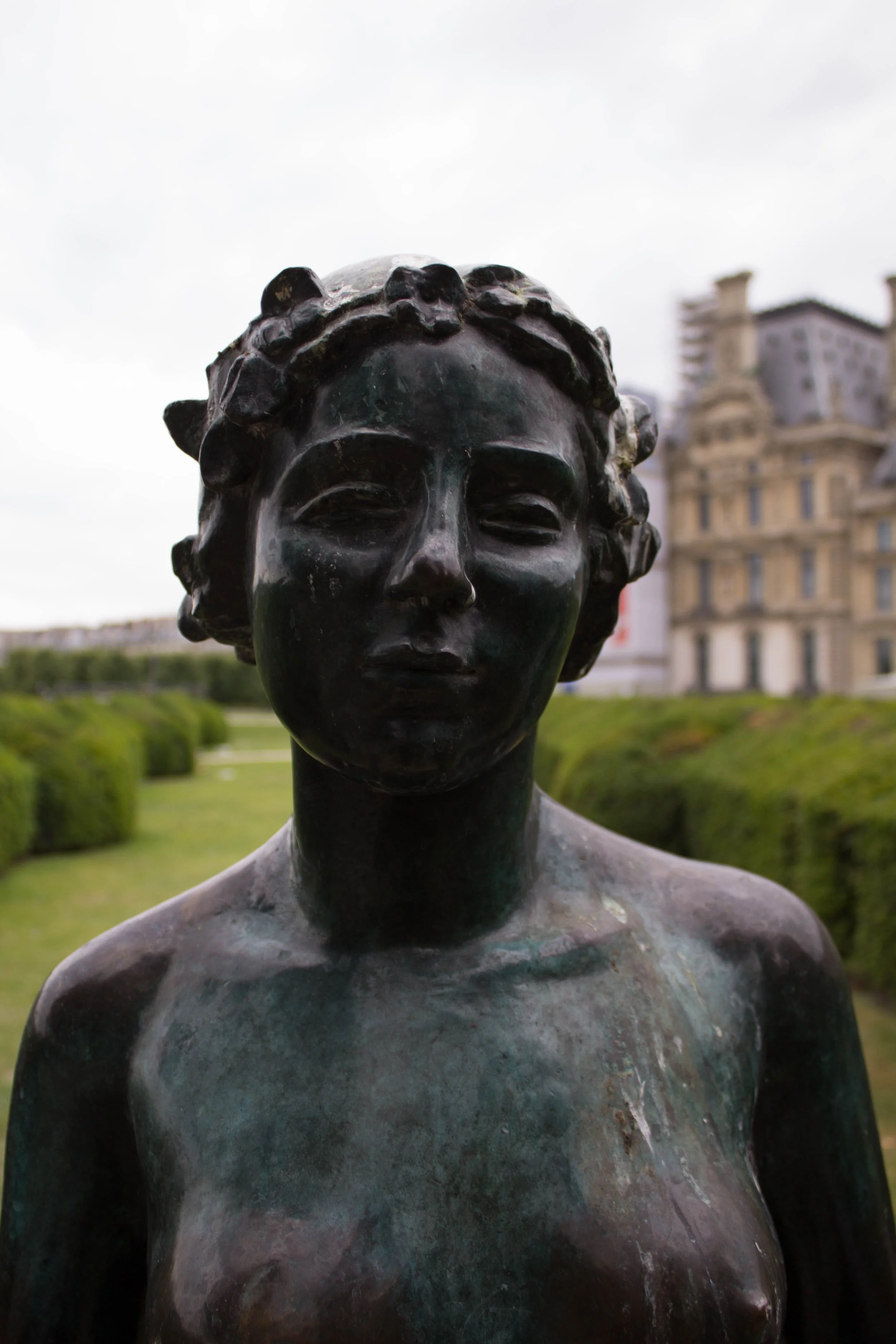
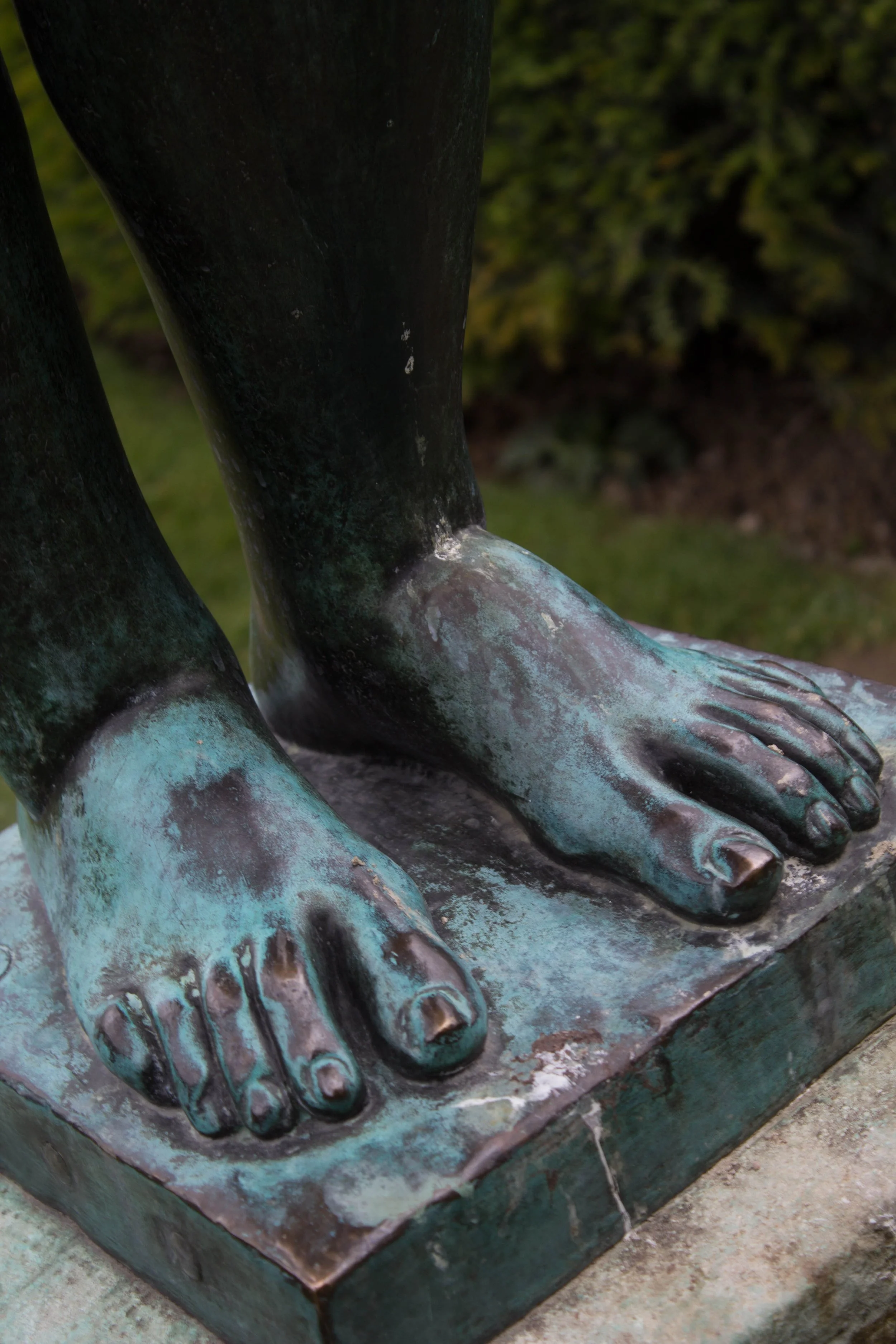
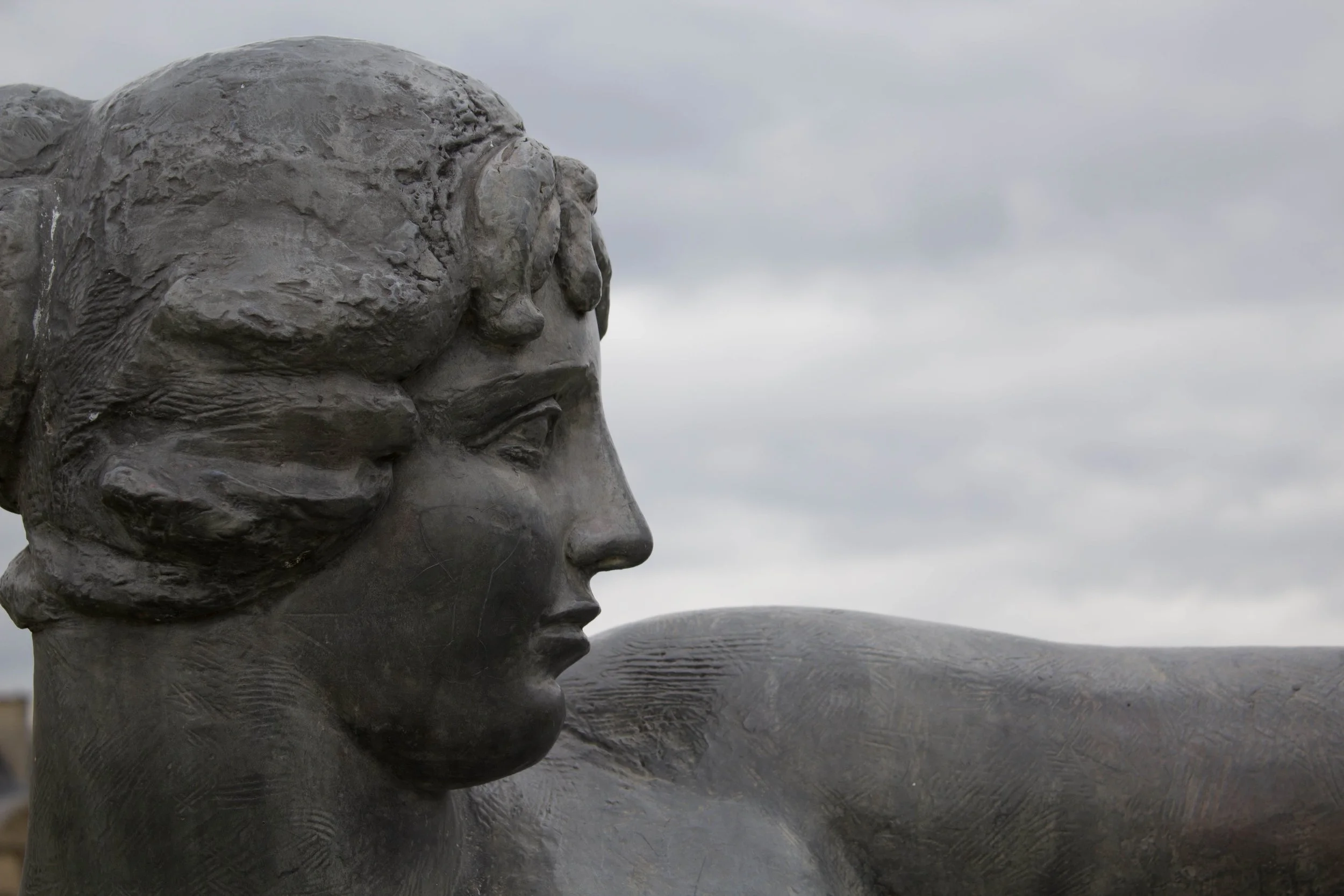
Art lovers will find the Jardin des Tuileries a treasure trove of outdoor sculptures and installations. The garden is home to more than 200 statues, including works by prominent artists such as Auguste Rodin, Aristide Maillol, and Henry Moore. One of the most notable sculptures in the garden is the "Nymphe" by Jean-Baptiste Carpeaux, a stunning depiction of a nymph with flowing hair, found near the pond at the northwest corner of the garden. In addition to the permanent sculptures, the garden also hosts temporary exhibitions, providing a dynamic showcase of contemporary art amid the historic surroundings. As you stroll through the Jardin des Tuileries, be sure to stop and admire the art, enjoy a moment of tranquility, and perhaps even discover an intriguing anecdote about the illustrious figures who once walked these same paths.

Join us next time as we explore the magical shores of the Sienne! Until then we bid you Adieu!